


GM Helps Engineer the Artemis Astronaut’s Ride
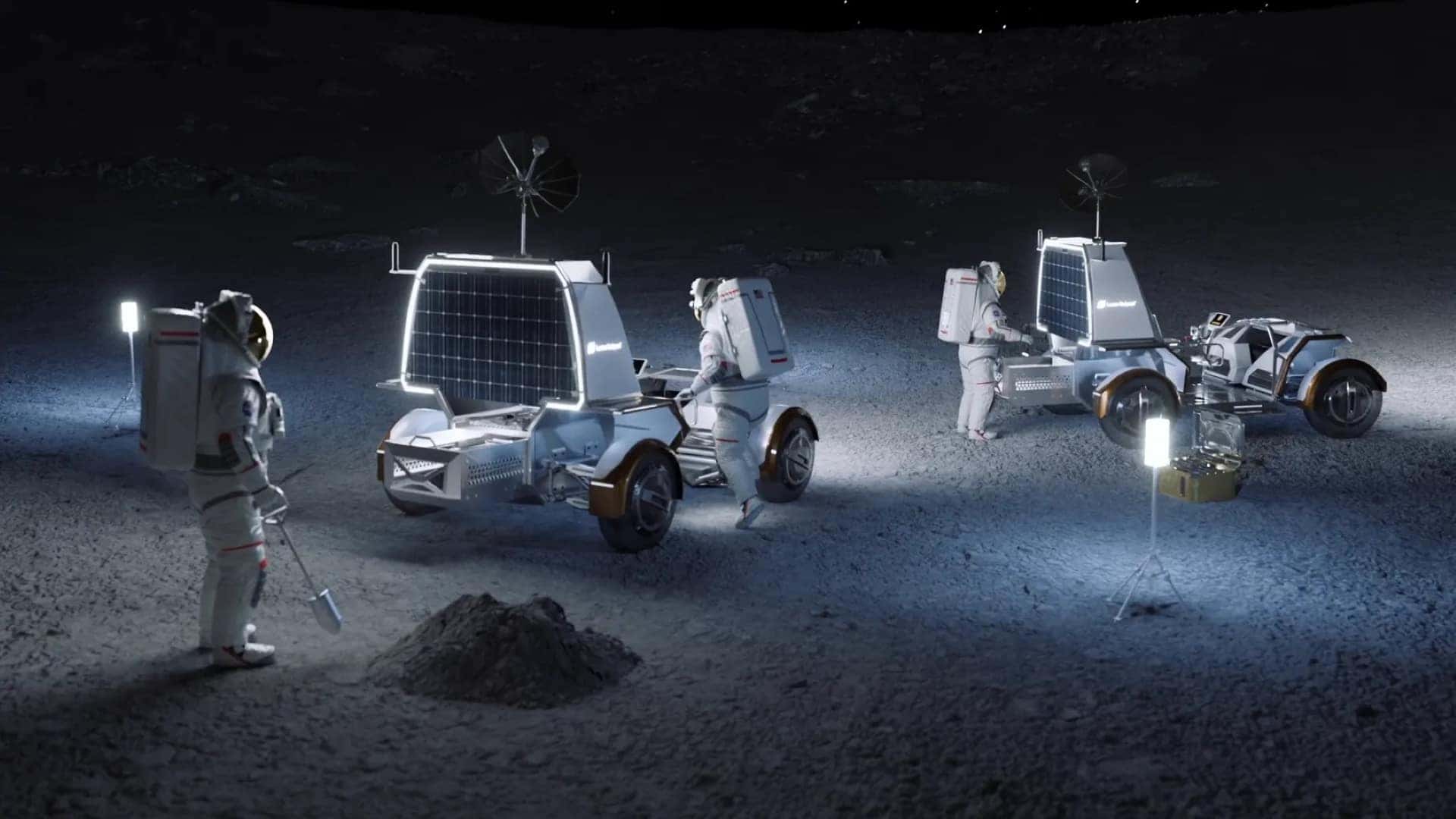
When you visit a new city or country, you don’t want to just hang around your hotel room; you want to look around, see the sights, and explore, perhaps even beyond where your feet alone can carry you. It turns out trips to the Earth’s moon are no different, apart from an inconvenient lack of available Ubers or public transit systems. As such, NASA Artemis astronauts planning a return trip to the moon are planning on bringing their own purpose-built ride (nicknamed Pegasus) along with them. Pegasus is currently being developed by a team spearheaded by Colorado firm Lunar Outpost, defense contractor Leidos, and General Motors – and Twin Falls Chevrolet tells you about GM’s part in this out-of-this-world project.
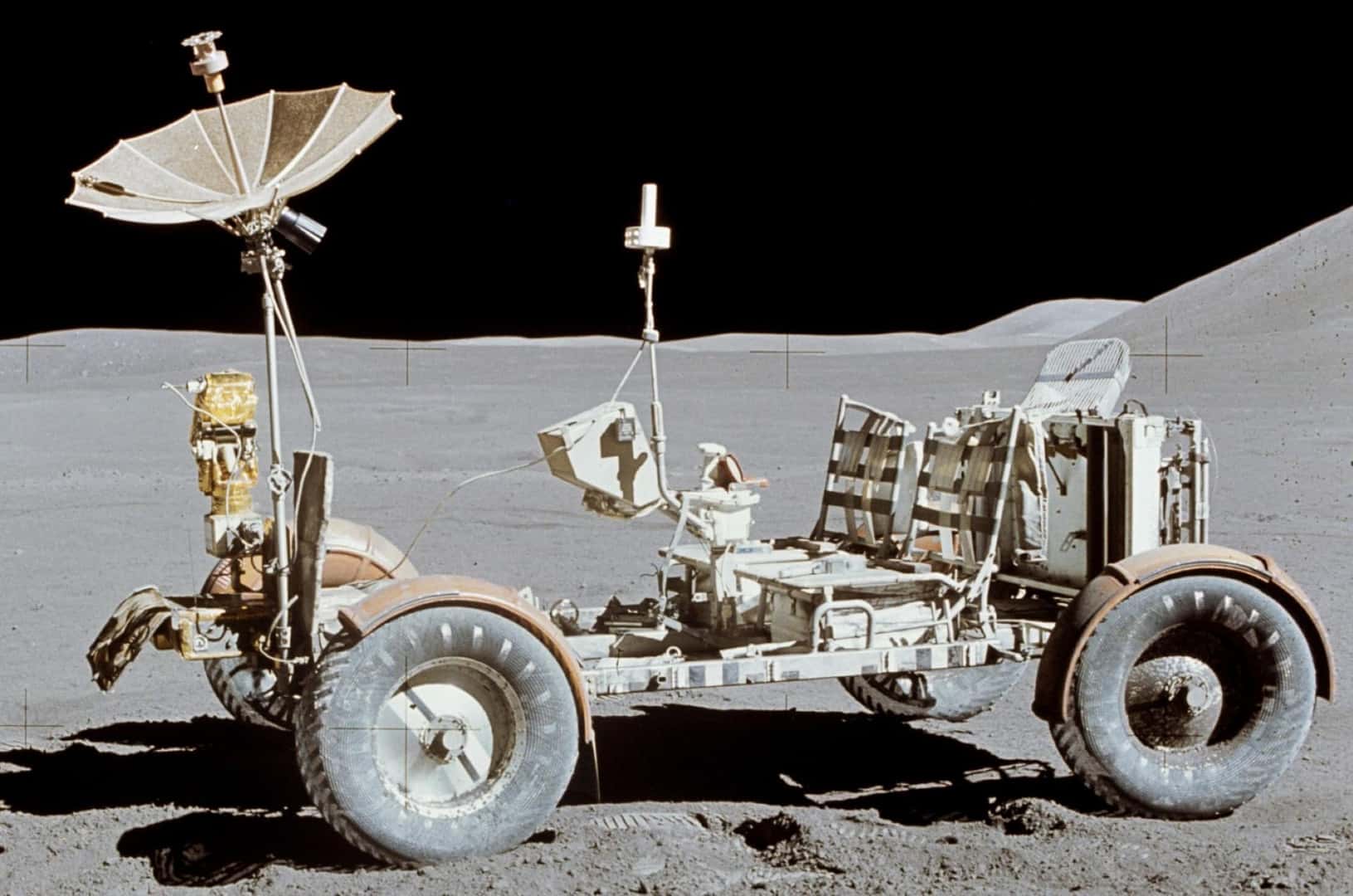
Apollo 15 Commander David Scott was the first person to ever drive on the surface of the moon, taking Lunar module pilot James Irwin for a ride extending farther than astronauts had explored on prior moon landings. Their vehicle, known as the Lunar Roving Vehicle (or LRV), was also built by a consortium of aeronautical and automotive companies, again including General Motors. GM’s former Defense Research Laboratories in California were tasked with developing the original LRV’s wheels, suspension, steering, and drivetrain.
Fittingly, GM will have a similar role during Pegasus vehicle development.
“We’ve spent the better part of the past decade engineering advanced mobility solutions designed for the realities of operating and building on the lunar surface,” said Justin Cyrus, CEO and Founder of Lunar Outpost. “Pegasus gives Astronauts the range, reliability, and flexibility needed to thrive in new terrain as we identify and prepare the sites that will become the first permanent lunar outpost.”
Given the moon is an oxygen-free environment, it comes as no surprise that Pegasus is an EV. Fortunately, GM has learned quite a bit about battery-electric propulsion in the half-century since the Apollo program.
“GM’s electrification technology was built to perform in some of Earth’s toughest driving conditions and adapting it for the Moon with space-rated batteries is an extraordinary technical challenge,” said Steve duMont, president, GM Defense. “Helping astronauts travel safely across the lunar surface again will be a proud moment for our team and our country.”
The Pegasus isn’t expected to be much faster than the LRV, which topped out at 8 mph. That said, its estimated 124-mile range on a charged battery is nearly four times that of the LRV, drastically increasing astronauts’ lunar mobility. Additionally, while the LRV was driven manually by astronauts, Pegasus can also be remote controlled by NASA staffers on earth or placed in a fully-automous mode. Pegasus is also capable of operating during nightfall, while the LRV was designed strictly for day use.
Stabilizing battery performance in extreme climates is a challenge on Earth, and even more so on the moon, especially given one of Pegasus’ first missions will explore the moon’s frigid southern pole, which sees temperatures swing anywhere from a brisk –130°F to a chilly -334°F)
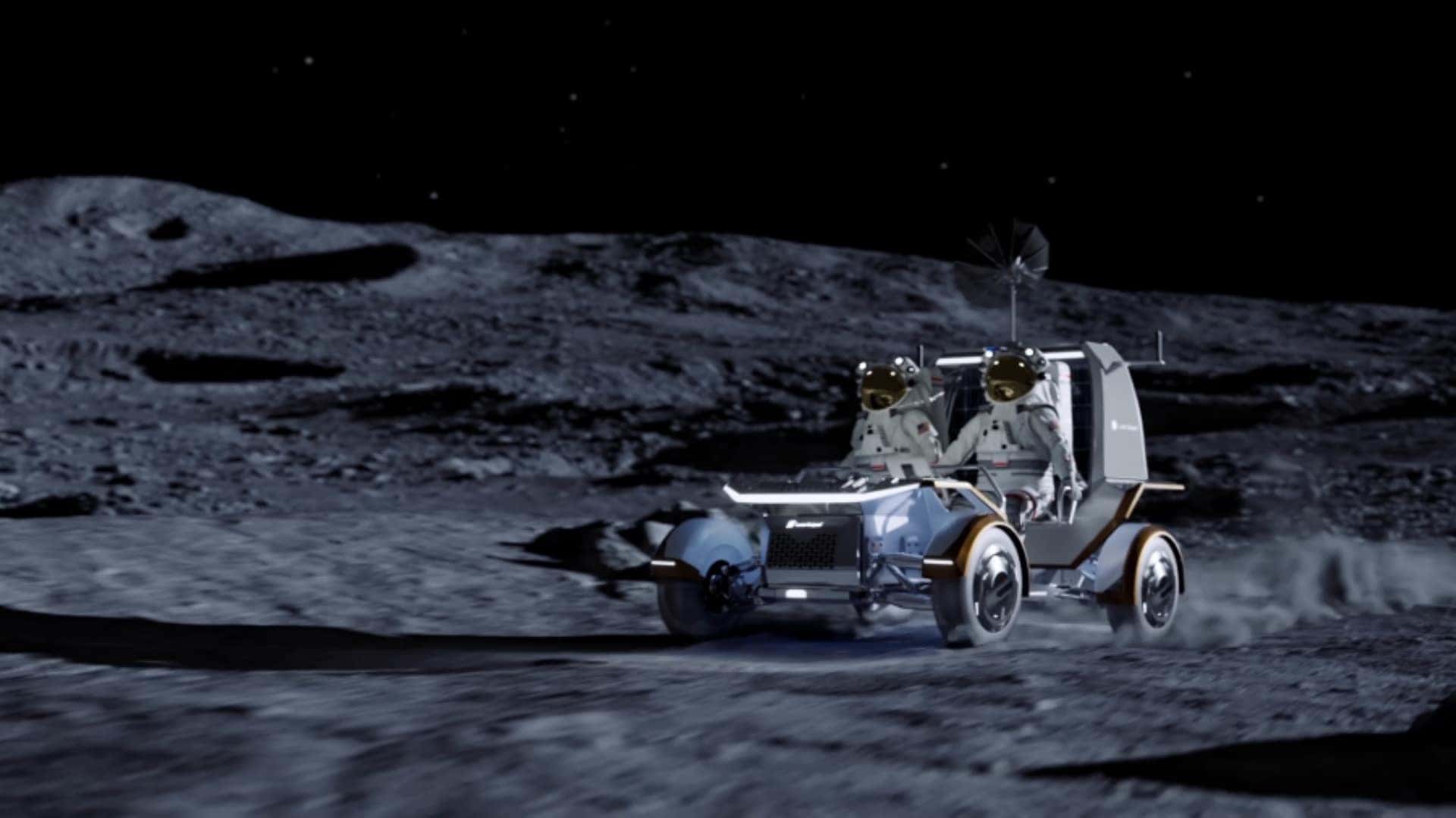
Durability is also a key priority in designing the new vehicle. While the original LRV was only built to last one mission, Pegasus is being designed as a support vehicle for a permanent lunar outpost. It is expected to first arrive on the moon in 2027.
No, you will never see a Pegasus in the Twin Falls Chevrolet showroom, but GM’s much like how technology trickles from race cars into future road cars, there’s a chance GM’s development work on Pegasus could be applied to future Chevrolet EVs. If you live in the Twin Falls area and have more down-to-earth transportation needs, EV or otherwise, explore the vast new and used inventories at Twin Falls Chevrolet.
0 comment(s) so far on GM Helps Engineer the Artemis Astronaut’s Ride