

GM Invests in the Future of the V8
There is something uniquely American about the V8. Of course, there have been German, English, Italian, and Japanese V8s, but they have primarily been limited to luxury vehicles. It was different in the United States, where the V8 found its way into the average American home, or at least its garage, from the 1950s through the 1970s. If you are of a certain age—perhaps one that used a rotary dial regularly—chances are high that you rode in the back seat of a sedan or station wagon with a big V8 up front and possibly had a few such cars yourself.
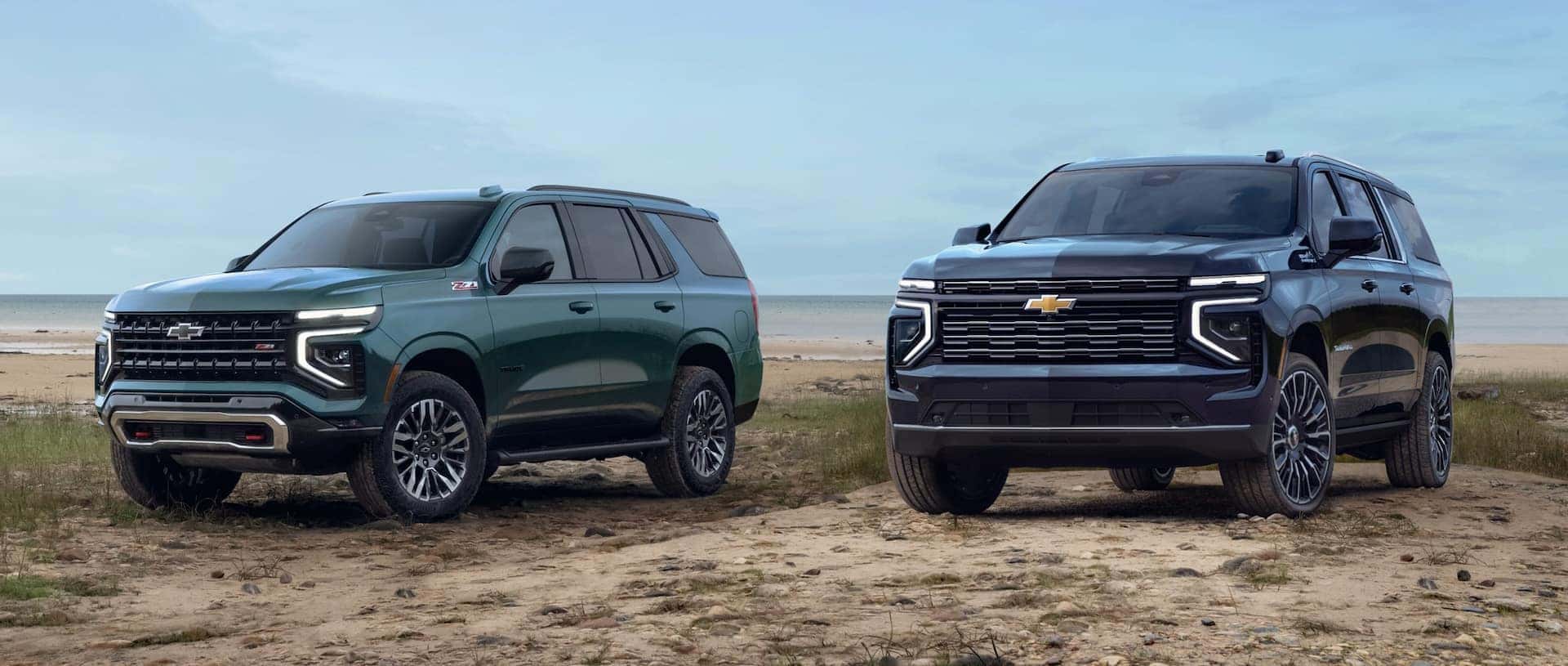
Things have changed, and even full-size trucks now often come with six-cylinder or even four-cylinder engines boosted by turbochargers. However, there is one domestic company that still believes in the V8, and Twin Falls Chevrolet is proud to say that company is GM, and by extension, Chevrolet.
The full-size truck and SUV have traditionally been the last bastion for V8 engines, but Ford has nearly abandoned its V8s in favor of boosted V6s. Toyota has completely done the same. Ram initially planned to replace its Hemi V8s with newly developed turbocharged inline-six engines but is now rushing to bring back its V8s as if it were Classic Coke. Meanwhile, V8 engines only made up 38% of truck registrations last year, while six-cylinder models accounted for 47.6%.
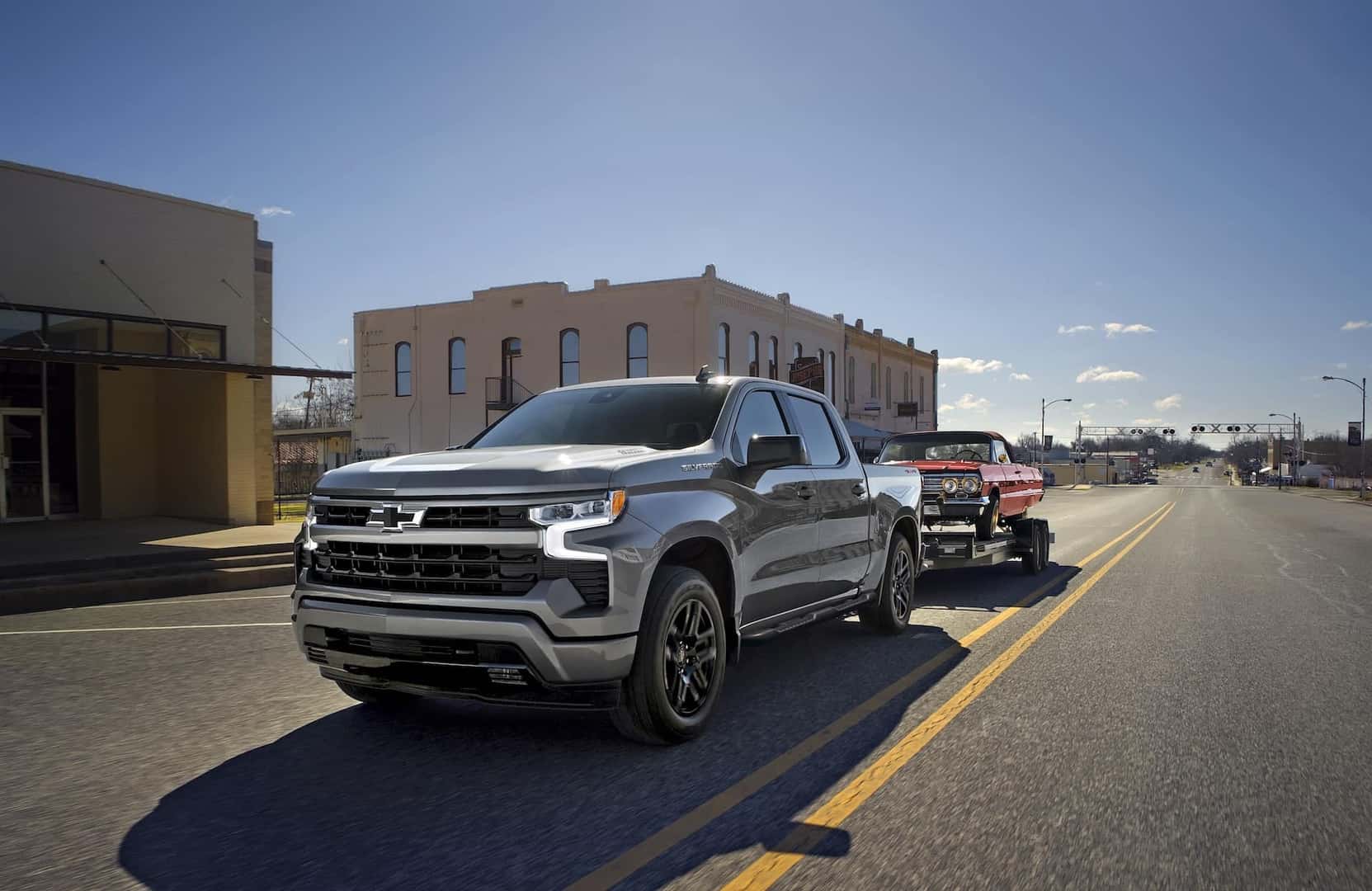 A large portion of that 38% likely comes from GM vehicles. V8 engines remain common in Chevrolet full-size pickups and SUVs, and they are quite popular. While Chevrolet offers a turbocharged four-cylinder and a turbodiesel inline-six in its Silverado 1500 trucks, V8s are under the hoods of about half of them, with the 5.3-liter V8 engine making up 42% and the 6.2-liter V8 accounting for 8%.
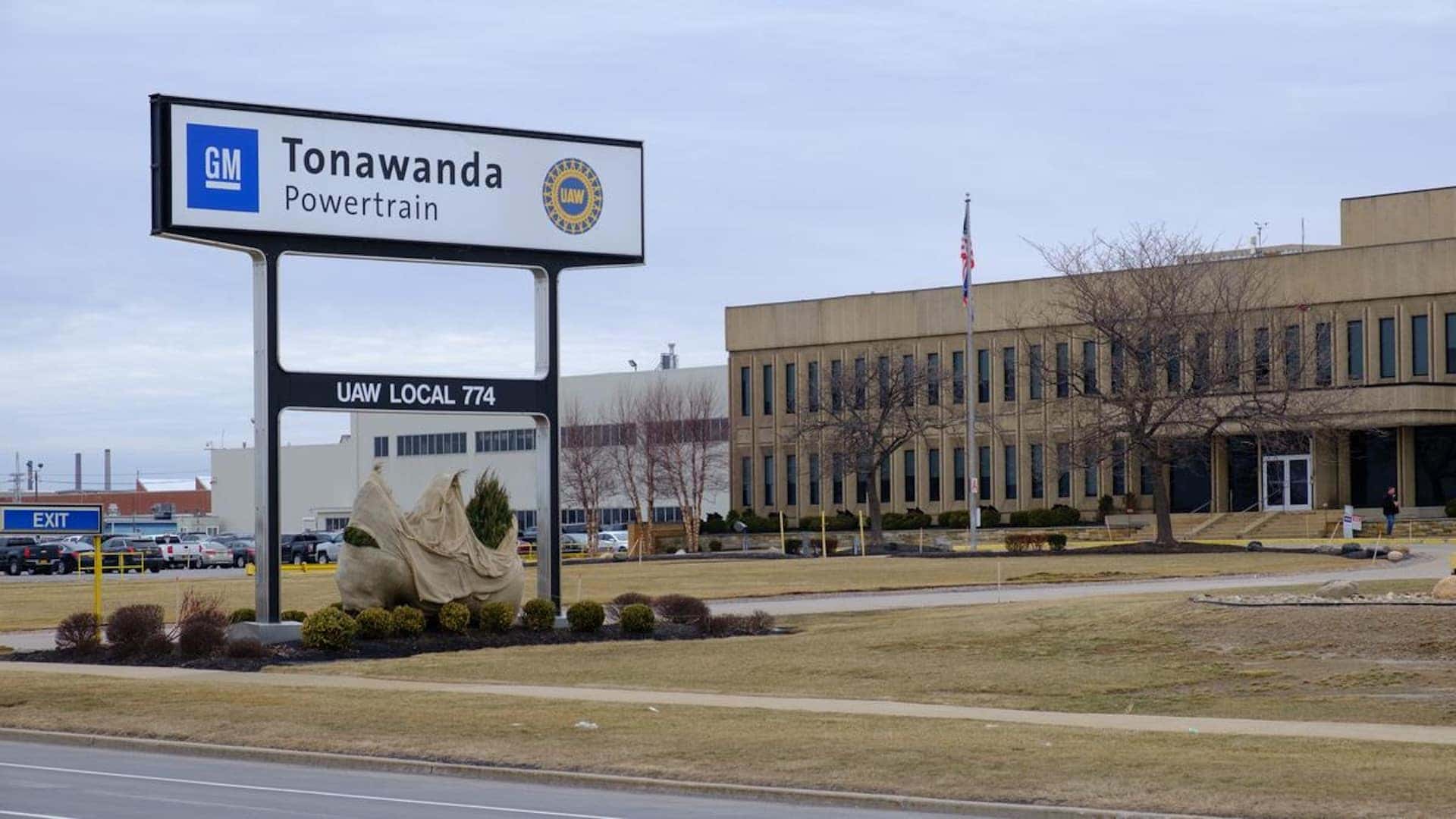
Perhaps it should come as no surprise that GM has announced it is investing $888 million in its Tonawanda engine plant in New York State, specifically for the sixth generation of its small-block V8. “We’re making these investments to provide our customers with a choice when it comes to vehicles and the powertrains we offer,” said a GM representative familiar with the project.
It is unclear what the focus will be for the next generation of GM’s small block engine, the original version of which dates back 70 years and was most famously used in the 1955 Chevrolet Bel Air and Corvette. One can assume work will continue to make the engine both more powerful and more efficient. It is perhaps possible that hybridization might be involved, given the popularity of this engine type as an alternative to EVs, which, of course, GM has been bullish on in its large vehicles.
Certainly, one of the advantages of GM’s V8 that owners value is the engine’s simplicity and ease of maintenance at home, especially compared to turbocharged six-cylinder and hybrid engines. This may prevent it from becoming too exotic in the next generation. It’s all speculation at this point, but at least we can be sure that future generations will still hear the sound and can experience an all-American V8 through Chevrolet’s full-size trucks and SUVs. If you’re interested in the current status of the Chevrolet V8 or even the Duramax turbodiesel, visit Twin Falls Chevrolet and take a test drive of a Tahoe, Suburban, Silverado 1500, or Silverado HD.
0 comment(s) so far on GM Invests in the Future of the V8