


How Much a Tahoe Can Carry Behind the Third Seat
When you get a Tahoe, you are getting a large vehicle. Not the largest, mind you; that would, of course, be the Suburban. A Tahoe is big enough to have three rows of seats with space for everyone and offers 25.5 cubic feet of cargo space behind the third row. How much is 25.5 cubic feet? Fortunately, Edmunds.com set out to answer that very question, and Twin Falls Chevrolet shares their results with you.
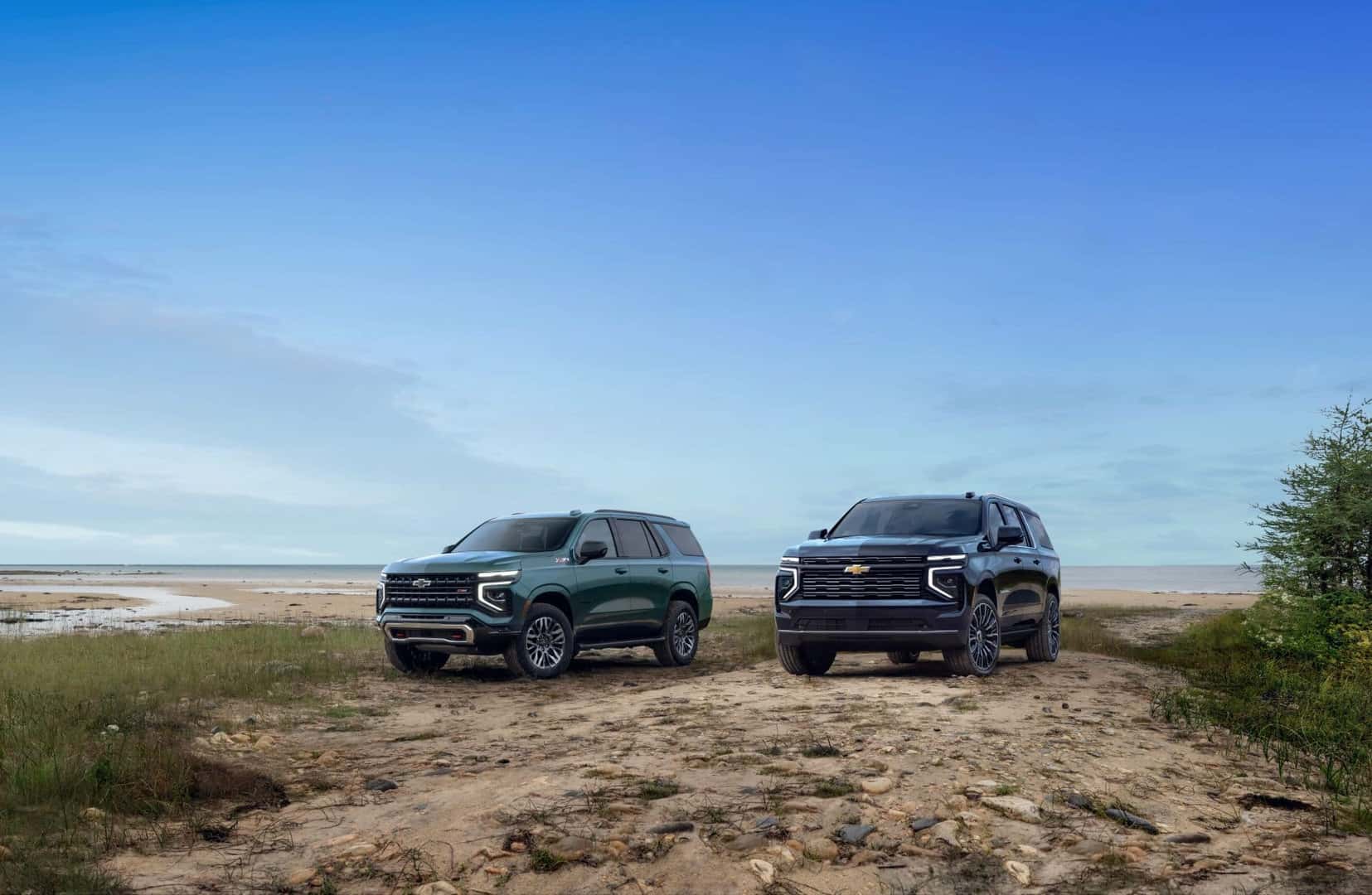
Automotive writers appreciate quantification. At a glance, we can see that the Tahoe offers more space in the back than the Traverse, which is measured at 22.9 cubic feet. But how can you truly visualize 25.5 cubic feet? If the space were a perfect cube, it would measure just under 3 feet (2.94) on each side. However, it isn’t a perfect cube. Edmunds employs a less numerically precise but far more helpful measurement: luggage.
The luggage size is arbitrary, but the Edmunds editors select their bags to be as relatable as possible. If you read their cargo capacity tests regularly, you see the same bags being used as much as possible. For the space behind the third row of the Tahoe, they lined up the following bags, all measurements in inches. These are the hard bags:
- Two bags you would need to check in at the airport:
- 26 x 16.5 x 12
- 26 x 16.5”x 10
- Three carry-on-sized bags:
- 24 x 14 x 9
- 23 x 15 x 9
- 21 x 14 x 9.5
If there is space left over, they add soft bags. In this case, they added one that was 21 x 12 x 11.
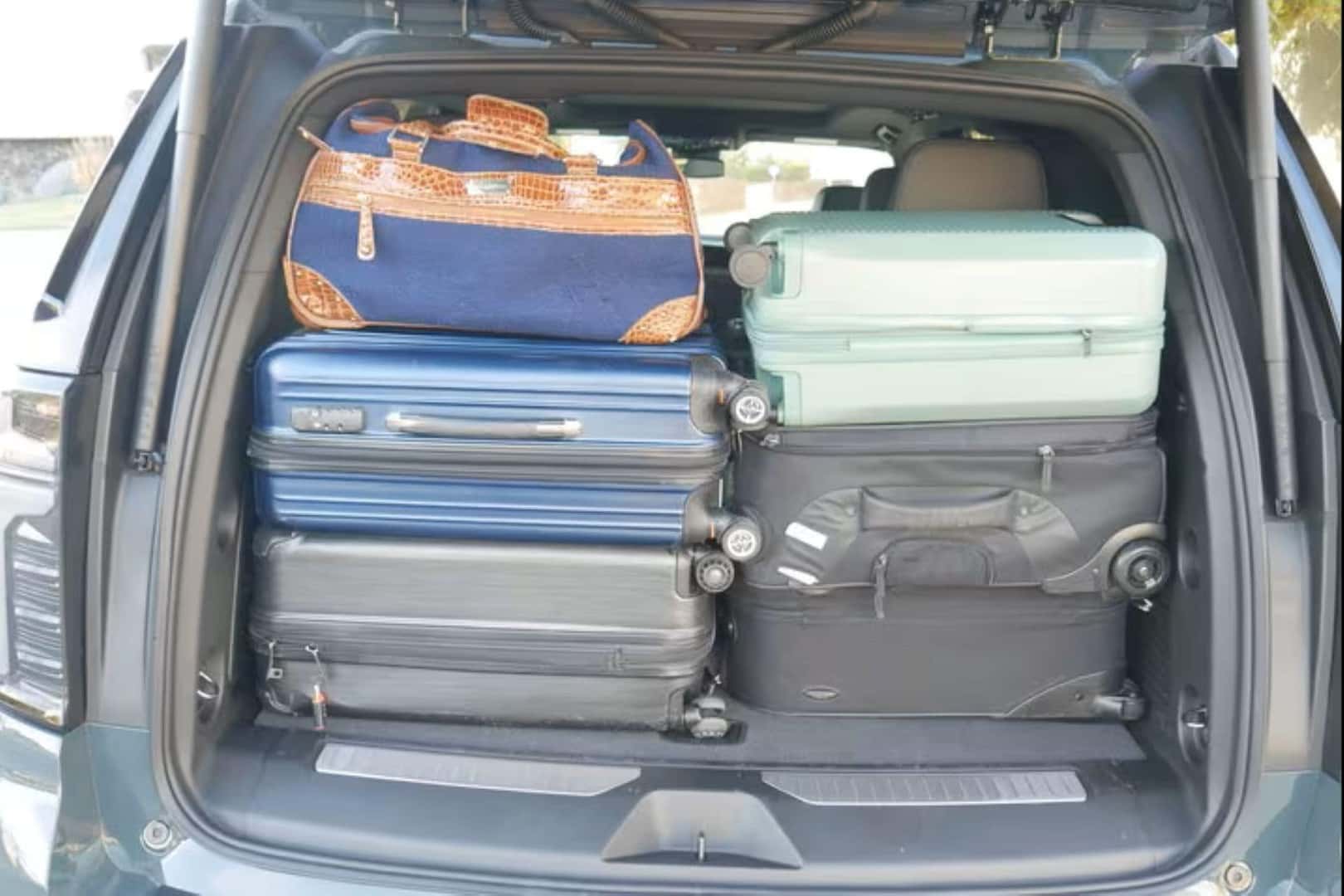
The Tahoe swallowed all of these, although there wasn’t much of a view beyond them in the rearview mirror. As they point out, this would not have been an issue if their test vehicle had included the Advanced Technology Group with a digital rearview mirror.
To promote safety, the editor replaced the soft bag with a smaller one that allows for a better view through the mirror. If everyone packed lightly with just one bag or kept their extra bags in their lap, this would suffice for six people. With all seats up, the Tahoe accommodates eight, making it challenging to fit all passengers and their luggage in the vehicle. Conversely, if traveling with seven people, you can lower the “40” side of the 60/40 third-row seatback to create ample cargo space for the seventh person and perhaps some of those extra bags.
It is worth noting that the Tahoe’s independent rear suspension, primarily designed to provide a smoother and more controlled ride, has also increased cargo space. The previous solid axle elevated the floor, resulting in ten cubic feet less space. This explains why the competing solid rear axle-equipped Toyota Sequoia offers only 11.5 cubic feet behind the third seat.
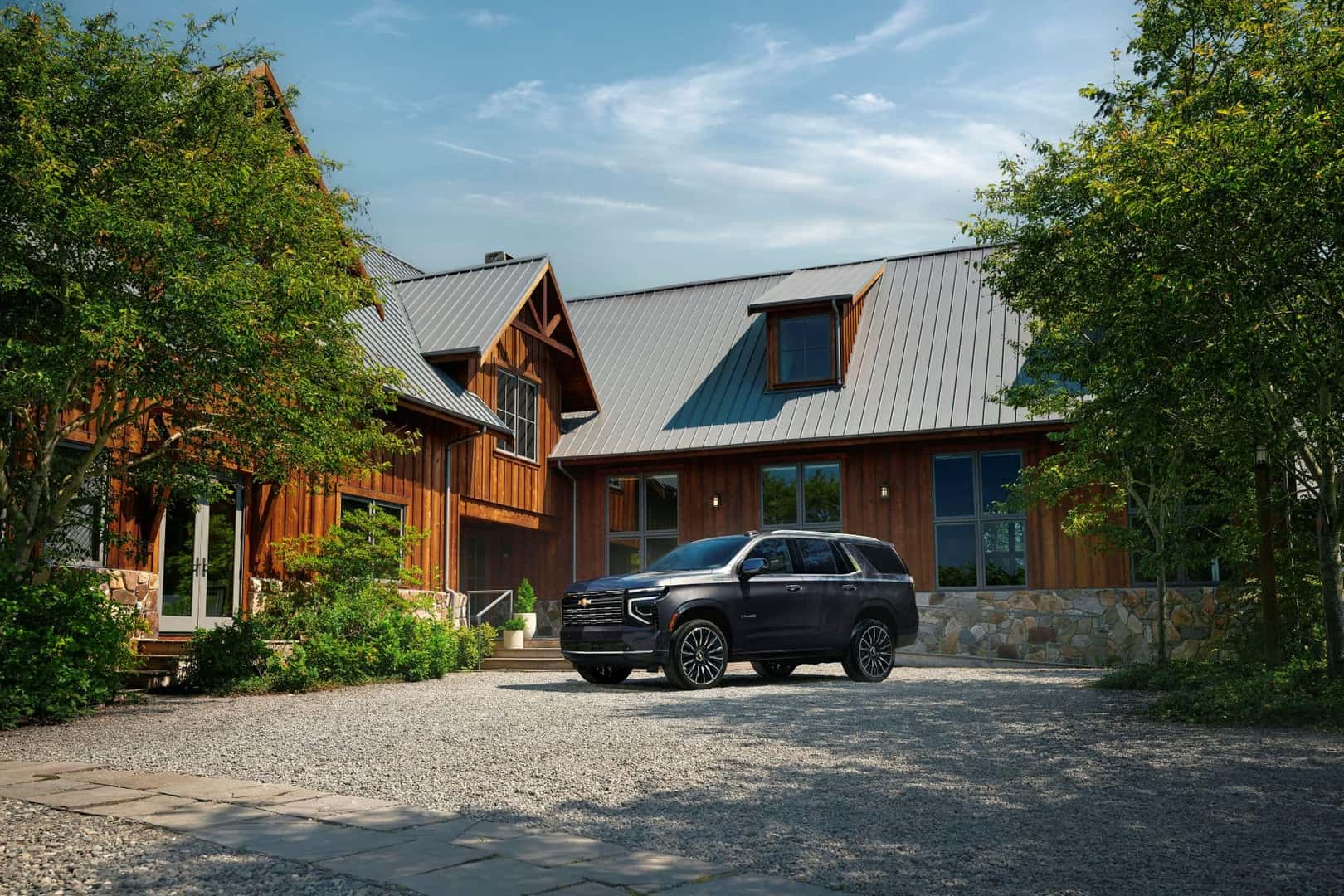
In the Tahoe, as with all SUVs, there is a balancing act between passenger and cargo space, which is why a roof rack is a popular accessory. If you anticipate carrying many people and their luggage, Chevrolet offers the Suburban for just $300 more ($70,300 vs $70,000 for the RST 4×4 models), increasing the cargo space behind the rear seats to 41.5 cubic feet.
To conclude, a road trip in the Tahoe with every seat filled and no one packing minimally will likely require a few items on the roof. Fewer people could likely be accommodated within the vehicle. Again, there is always the Suburban option. Visit and test drive both vehicles at Twin Falls Chevrolet, and feel free to bring your luggage along for your own cargo capacity test.
0 comment(s) so far on How Much a Tahoe Can Carry Behind the Third Seat