


Tahoe Versus Toyota Sequoia: Carrying People and Things and Towing
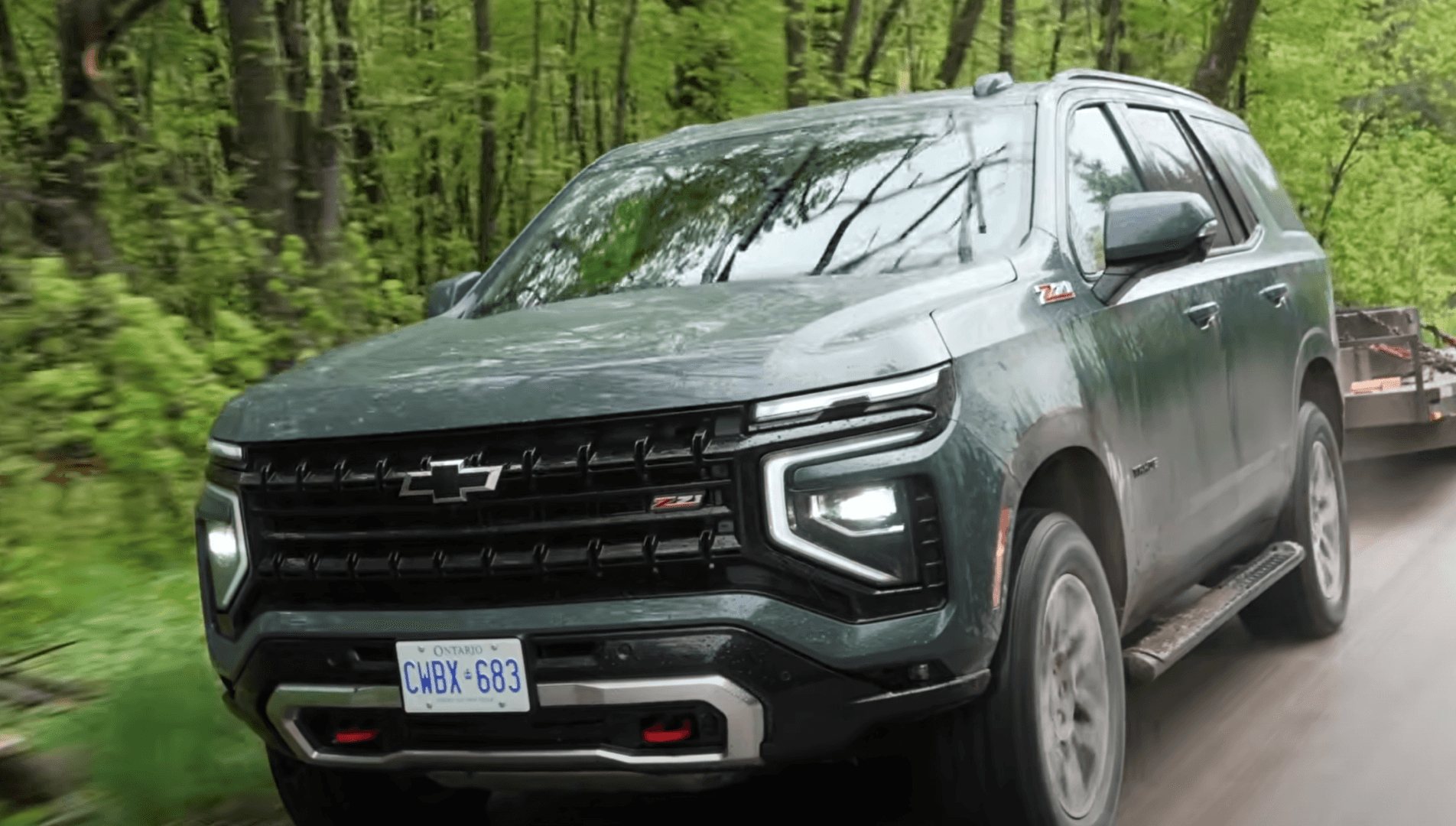
The Tahoe is the industry’s best-selling three-row SUV, making it the vehicle that Toyota most wants to take sales from with its Sequoia. Shoppers in the market for these models are interested in transporting many people, carrying plenty of cargo, and towing. Canadian video reviewers Truck King compared these two models based solely on their abilities to perform these tasks. Specifically, they focused on the off-road versions for this comparison, pitting the Tahoe Z71 against the Sequoia TRD Pro. Twin Falls Chevrolet shares their findings.
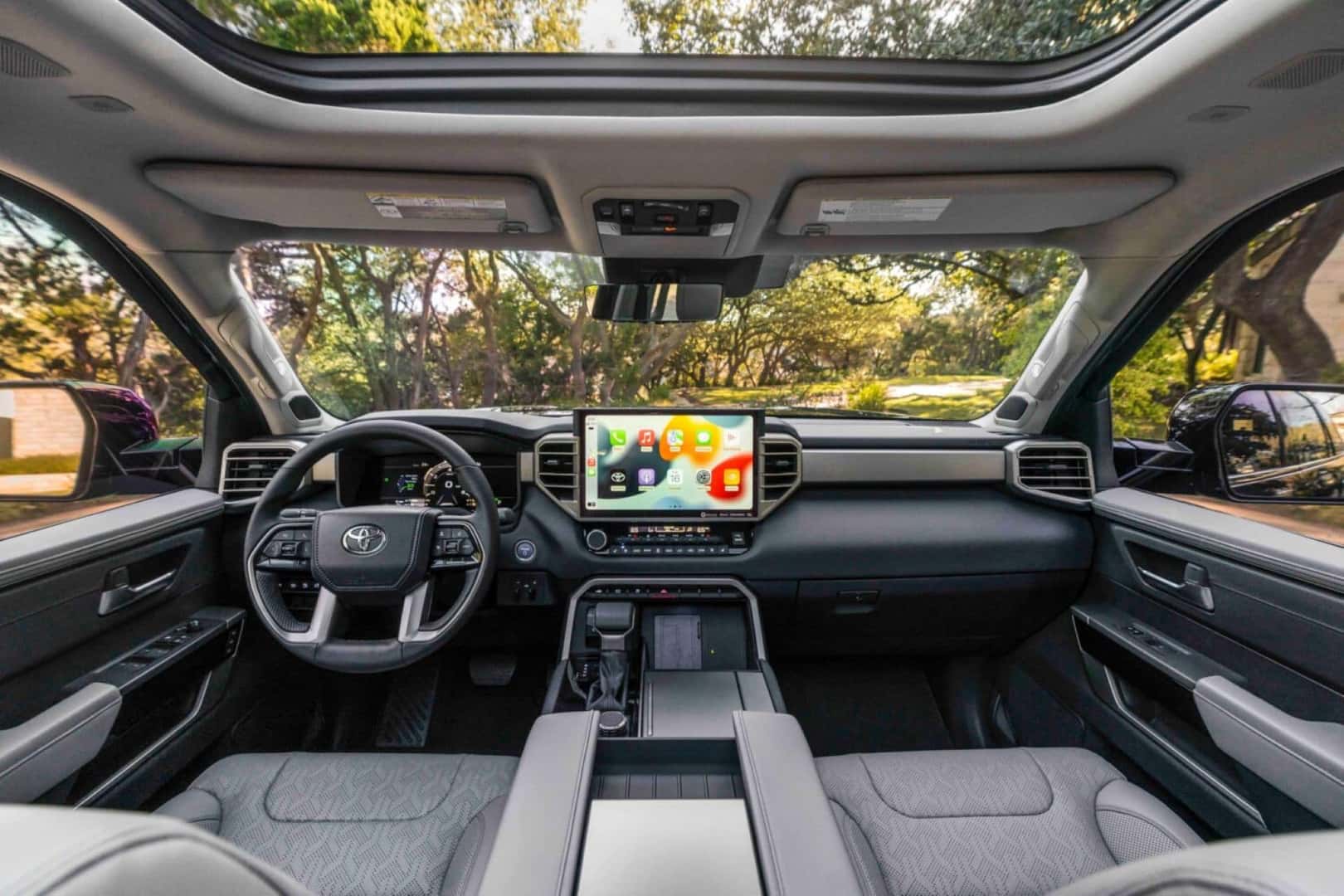
Both the Tahoe and Sequoia share their platforms and drivetrains with their respective brands’ full-size pickup trucks. The Tahoe’s most significant difference from its pickup truck sibling is its rear independent suspension, developed to provide a smoother highway ride. The previous Toyota Sequoia also had an independent rear suspension, but the current model has returned to a live axle. The Tahoe in this test features the optional 6.2-liter V8 engine, producing 420 horsepower and 460 lb-ft of torque. Toyota counters big displacement with technology, offering a twin-turbo 3.4-liter V6 hybrid drivetrain that adds a 48-horsepower motor. On paper, the hybrid system surpasses the big Tahoe engine with 437 horsepower and 583 lb-ft of torque. As a result, the Sequoia has a higher tow rating of 9,020 pounds compared to 8,200 pounds for the Tahoe. However, there is a catch which we will get to in a moment.
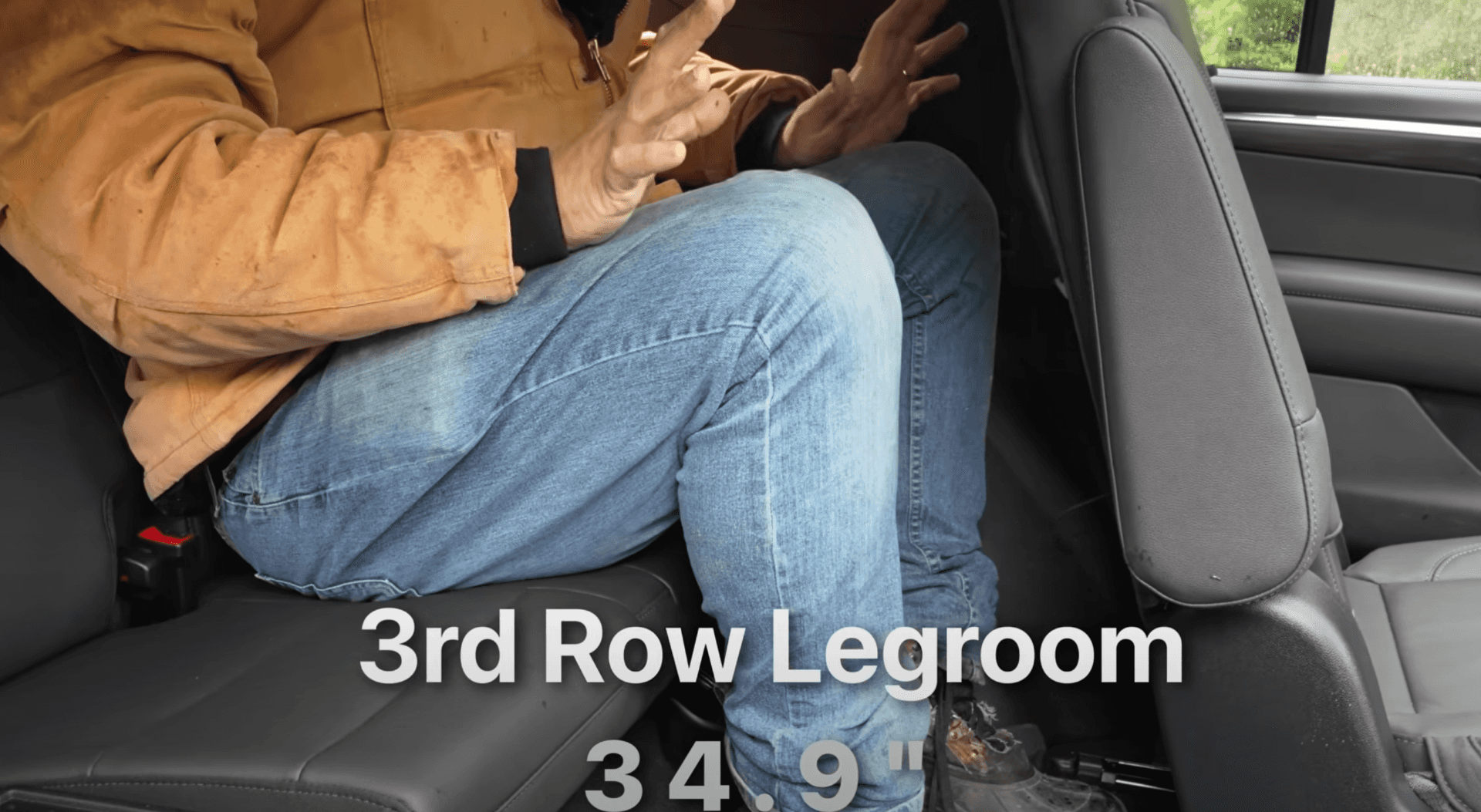
The reviewers first explore the second- and third-row accommodations. The Tahoe has the advantage here with both more second-row legroom (42.0 vs. 39.2 inches) and third-row legroom (34.7 vs. 33.7 inches). The additional inch of third-row legroom doesn’t tell the whole story, though, as the Tahoe has sliding second-row seats that can shift some of the extra second-row legroom to the third-row passengers. Additionally, the Sequoia’s third-row floor is higher relative to the seat position to accommodate the hybrid battery, raising the third-row passengers’ knees to a less comfortable position. The Tahoe also provides these passengers with 2.6 inches more headroom.
Both models are good about giving second-row passengers their own climate system controls and cell phone USB-C ports for both back rows. The Sequoia adds USB-A ports for second-row passengers.
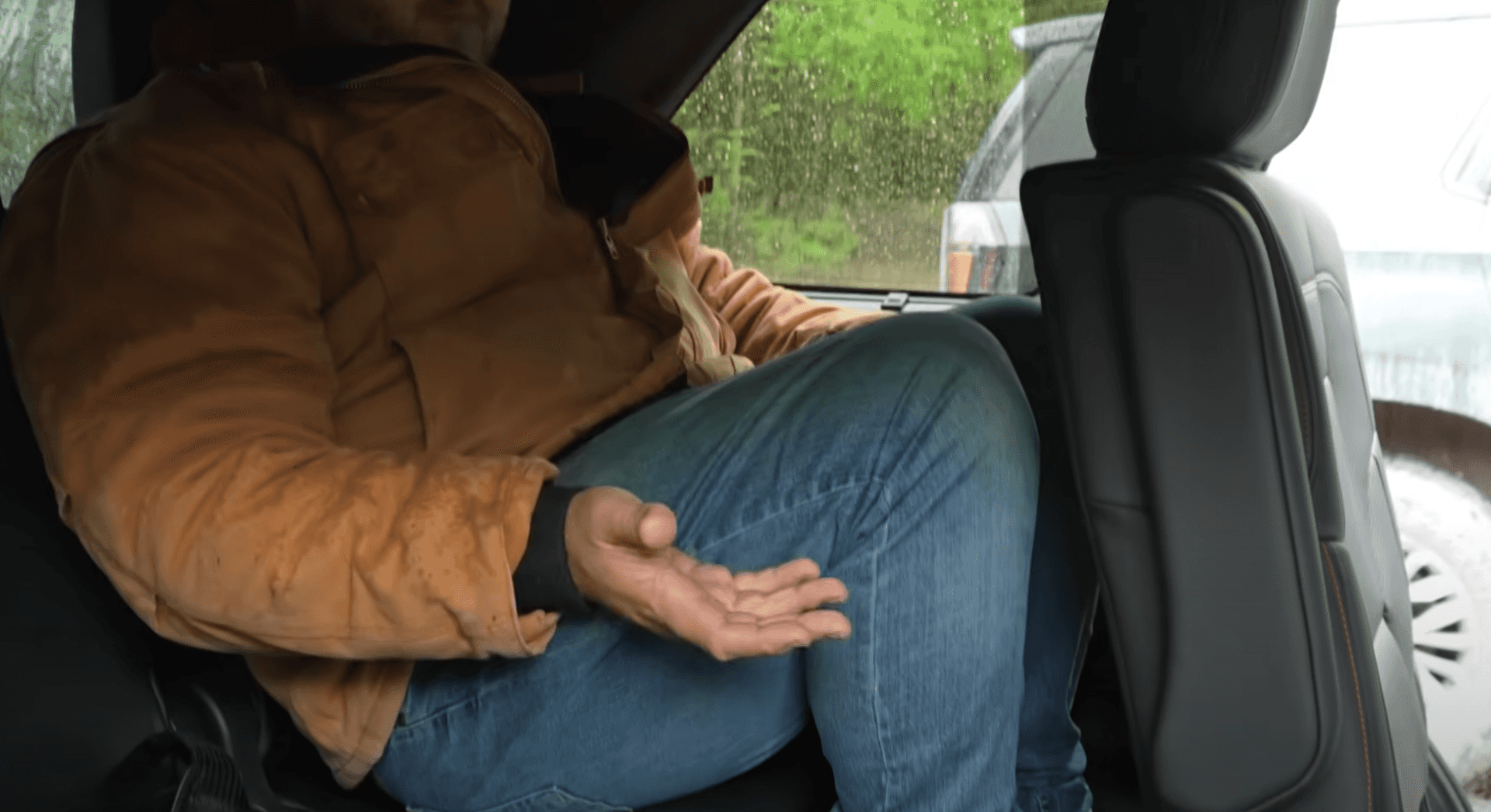
The Sequoia gives its third-row passengers power reclining seats, which also slide fore and aft. This is fine as long as there is little cargo to carry (because the Sequoia has only 11.5 cubic feet of cargo area behind the third-row seats). You can slide the third-row seats forward for as much as 22.3 cubic feet, but it makes the third-row seats unusable for anyone with legs, rendering the larger figure close to meaningless, as you would likely just fold the third-row seatbacks at that point. That is unless the third-row passenger is in a child seat. There can only be one such passenger, as the Sequoia’s third row has anchors for just one child seat, while the Tahoe can accommodate three.
Truck King points out that the Sequoia has several clever ways to configure the cargo floor and lower storage. However, the Tahoe’s 25.5 cubic feet of space behind a usable third row is significantly larger, overshadowing any cleverness demonstrated by the Sequoia. The Tahoe also boasts more cubic feet when the third-row seats are folded (75.5 vs. 49.0 cubic feet) and truly surpasses the Toyota in full cargo-carrying mode (122.7 vs. 86.9 cubic feet).
Both models are equipped for towing in significant ways. They both feature a hitch view from the rear camera to assist in lining up the hitch ball with the trailer tongue. The Sequoia also includes a dynamic trajectory line specifically for the hitch to further aid in alignment. Additionally, both models have integrated trailer brake controllers and the capability to enter multiple trailer profiles, optimizing the vehicles for different trailering needs.
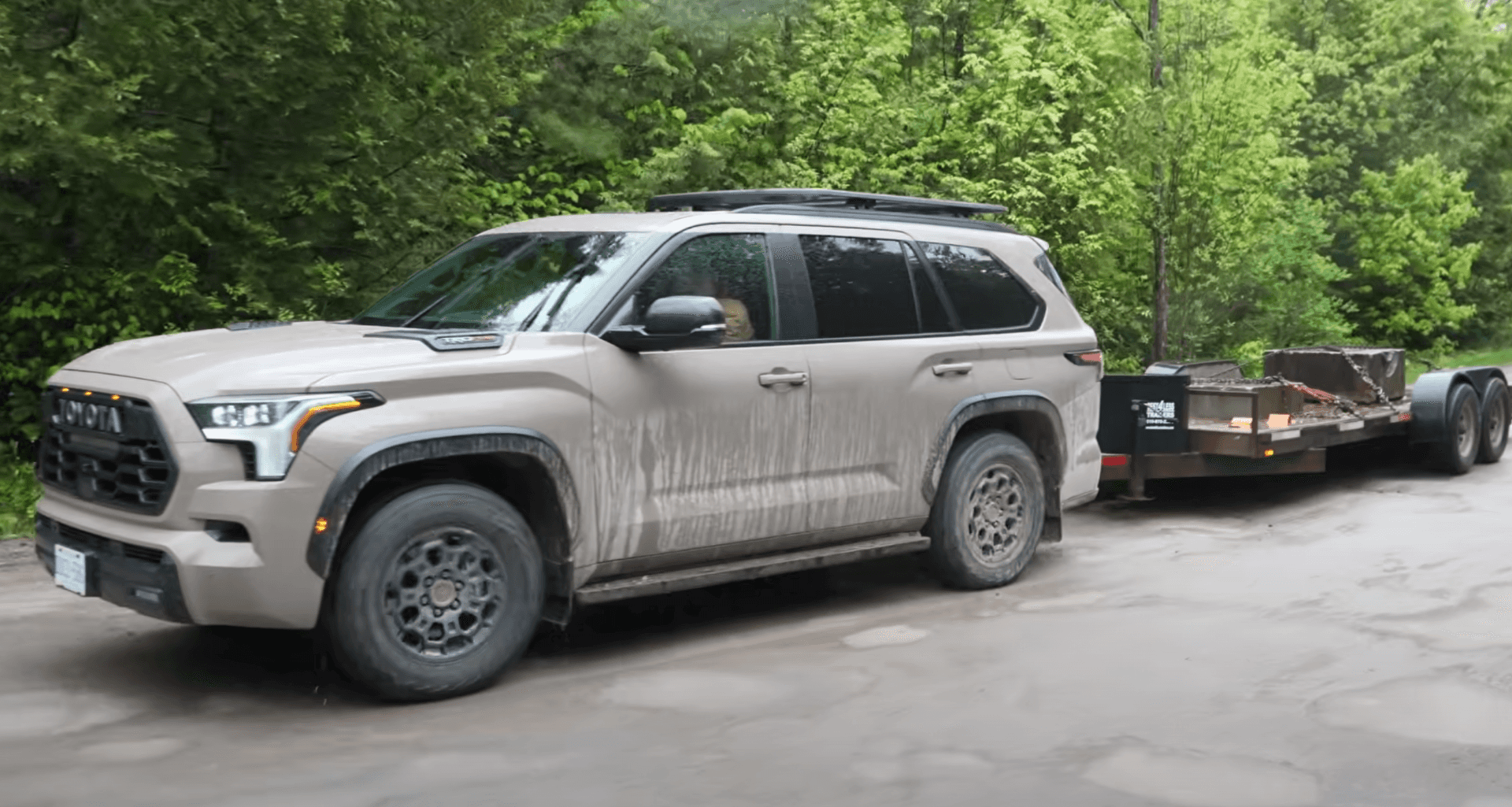
As mentioned, the Sequoia is rated with a maximum towing capacity of 9,020 pounds. The reviewers struggled to reconcile this with the vehicle’s maximum payload, which they state as 1,190 pounds—although Toyota’s U.S. stats show 1,435 pounds. Their logic follows that the tongue weight is conventionally considered to be 10% of trailer weight; using their figure, the Sequoia’s maximum towing capacity leaves only 288 pounds for passengers and cargo in the vehicle itself. Using the U.S. stats, that increases to 533 pounds, but that still feels a bit tight when divided among four or more passengers and without even factoring in luggage.
The Tahoe’s 8,000 pounds (8,200 in U.S. specs) and 1,616 payload is a better mix. Maximum towing still leaves 716 pounds in the cabin, although it may be a good idea not to tow right up to maximum capacity for either vehicle.
On the road while pulling 5,000 pounds, the reviewers found the Tahoe Z71’s standard air suspension to feel more stable and instill more confidence than the “squishy” feel from the TRD Pro’s off-road suspension. Contrary to the power numbers, they also found the Tahoe more satisfying under acceleration while towing, though he admits that this impression could come from the V8 engine’s sound. 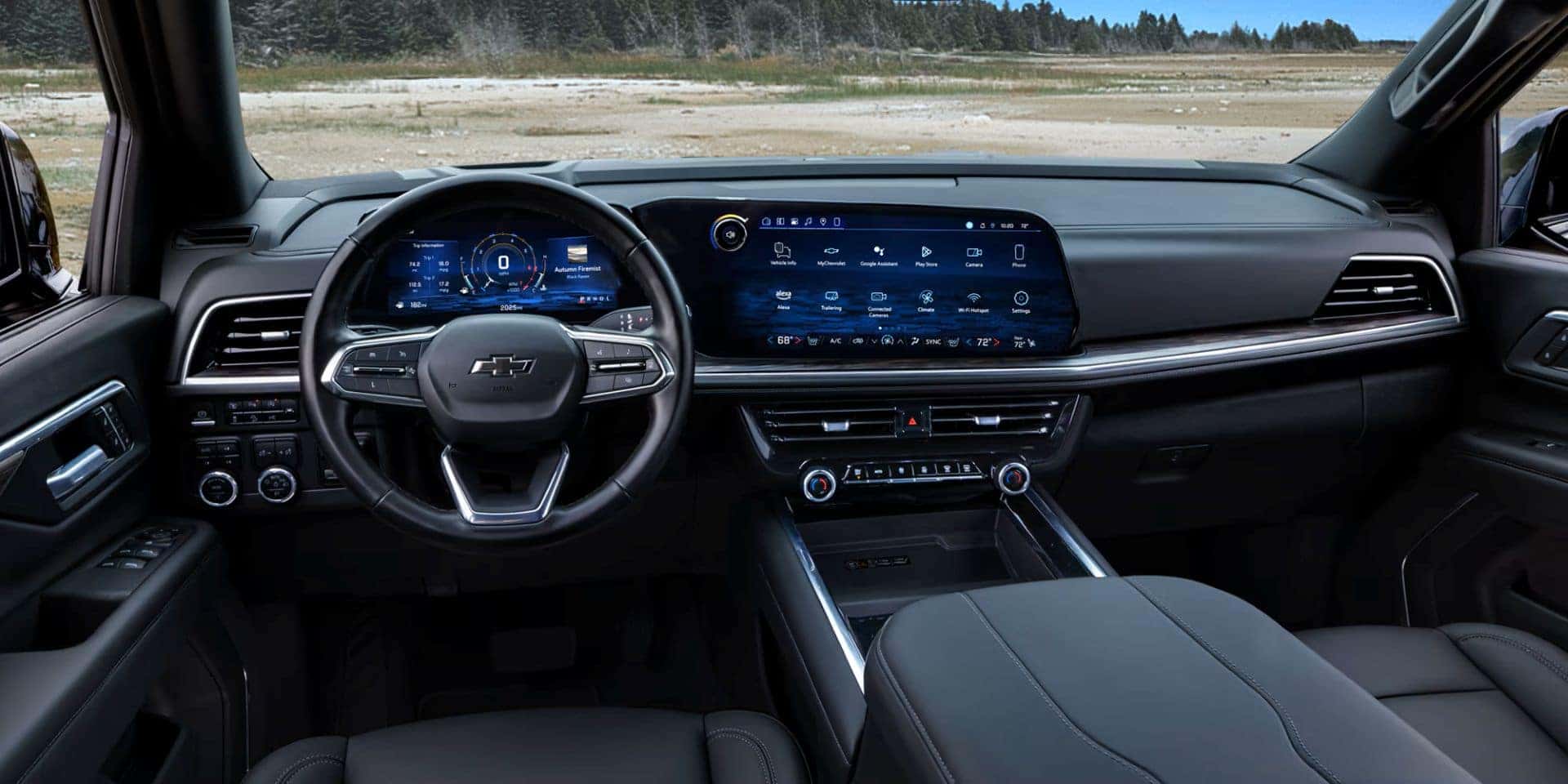
Overall, they found the Tahoe to be better at carrying people and cargo, and they felt it was more stable when towing 5,000 pounds. They suspect the differences will be even greater as the trailer weight increases.
Chevrolet really knows what people in this class are looking for and need. Thus, there is a reason the Tahoe is a leader in this category. If you are looking for a full-size SUV to carry your family and friends and tow your toys, the first and last place you should shop is Twin Falls Chevrolet.
0 comment(s) so far on Tahoe Versus Toyota Sequoia: Carrying People and Things and Towing